
Jump to a section
Strain names are not standardized effect or cannabinoid promises. This page describes common market stories and observable buying clues—not a guaranteed experience or medical use.
THE USEFUL PART
Keep these in your head.
- Hindu Kush is a shared market name, not one globally identical product.
- Use the current label and certificate of analysis instead of relying on folklore.
- Aroma words can help comparison; effect adjectives cannot predict every person.
- Record producer, batch, format, potency, and context when taking notes.
The field-note profile
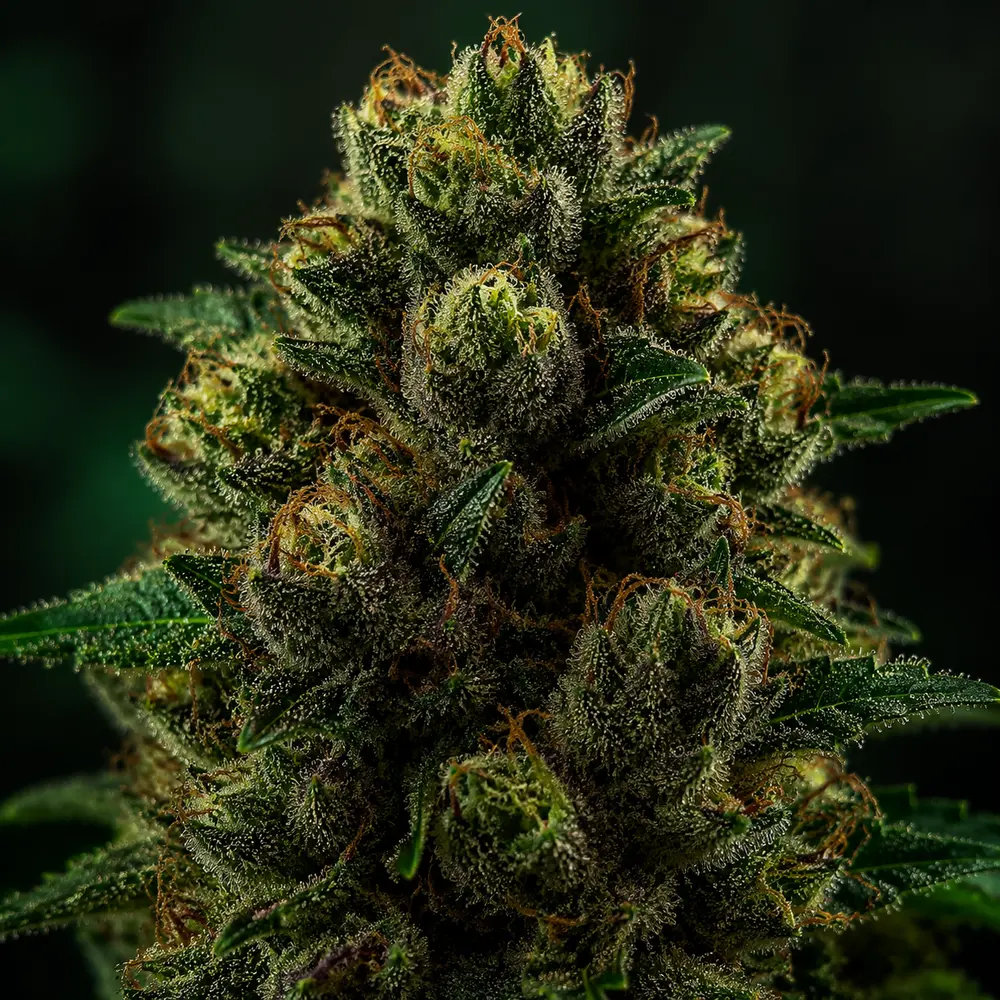 REPRESENTATIVE PHOTOCategory-matched editorial image—not proof of cultivar identity.
- COMMON LINEAGE STORY
- A broad-leaf landrace family associated with the Hindu Kush mountain region
- CANNABINOID SHORTHAND
- THC-dominant
- RETAIL SHORTHAND
- heavy leaning
- AROMA SHORTHAND
- earth, sandalwood, pine, spice
- HISTORICAL CONTEXT
- An old geographic hash-plant name foundational to modern breeding
The story attached to the name
Hindu Kush is commonly presented as a resinous, compact, old-world hash-plant family rather than a candy-era hybrid.
The cultivar name is not a protected formula. Different producers, selections, environments, harvests, and formats can produce substantially different chemistry and aroma.
A strain name is closer to a song title than a laboratory standard: familiar words can introduce very different performances.
Aroma language worth using
Use these as prompts, not an answer key. Smell the product when lawful and practical, compare the aroma with the label panel, and note whether it is clean, vivid, muted, stale, musty, or chemically concerning.
Aroma can change with cultivation, harvest timing, cure, age, package, extraction, and added terpenes. A vape carrying the same name may not smell like the flower.
Effect folklore versus evidence
Hindu Kush is commonly presented as a resinous, compact, old-world hash-plant family rather than a candy-era hybrid. Those descriptions come from consumer reports, menu traditions, and brand positioning—not from a controlled prediction for the individual holding the package.
Format, THC concentration, CBD content, serving size, other substances, food, sleep, prior exposure, setting, and expectations can all matter. “Heavy leaning” is an aisle sign, not permission to drive, work at height, supervise a child, or operate a boat.
How to evaluate a Hindu Kush product
- Verify the licensed producer and seller.
Names are easiest to copy in unregulated markets.
- Identify the exact format.
Plain flower, infused pre-roll, vape, concentrate, and edible are not interchangeable.
- Read the batch potency.
Do not inherit an old expectation from another producer.
- Check package and test dates.
Freshness can matter more than a famous name.
- Compare aroma and ingredients.
Added terpenes or flavor ingredients change the product.
- Keep one-line notes.
Producer + batch + format + setting is more useful than a five-star strain rating.
The caution specific to this reputation
Do not let the name lower your guard
Use the current package and batch—not the reputation—to judge potency. Concentrates and infused products can be far stronger than flower carrying the same name.
No strain name cancels general safeguards: adults 21+, no impaired driving, no mixing with alcohol by default, careful storage, and professional health advice when medicines or health conditions may be relevant.
A better note template
Big Bud Man standard: know the source, read the batch, protect kids and pets, and never drive impaired.